How to Choose the Best Digital Signage Screens for Your Business?
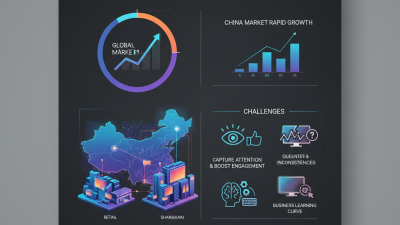
Choosing the right digital signage screens for your business is crucial in today's digital landscape. According to a recent report by MarketsandMarkets, the global digital signage market is expected to grow from $23.8 billion in 2021 to $35.6 billion by 2026, highlighting its increasing importance in various industries. This growth reflects how businesses are adapting to visual communication strategies.
Renowned expert, Dr. John N. Smith, emphasizes, "Selecting the right digital signage screens can make or break your marketing strategy." His insights underline the necessity of understanding both the technical specifications and the audience’s needs. Factors like screen resolution, brightness, and durability often determine overall effectiveness.
Many businesses overlook the nuances in digital signage technology, leading to missed opportunities. Choosing an ill-suited screen can waste resources and fail to engage customers. It's essential to consider the environment in which the screens will be placed. Reflections from overhead lighting or direct sunlight can hinder visibility. Balancing these elements is key to mastering digital signage for improved customer engagement.
Understanding the Different Types of Digital Signage Screens
Digital signage screens come in various types, each serving different business needs. The most common types are
LCD, LED, and OLED screens. According to a recent industry report,
LCD screens dominate the market, accounting for 60% of the total share. They are ideal for indoor environments.
Their bright displays and wide viewing angles enhance customer engagement.
LED screens, although initially more expensive, are gaining traction. They are popular for outdoor displays due
to their high brightness and durability. An estimated 30% of businesses are considering LED for their exterior
signage. OLED technology offers stunning image quality. However, it's less common in commercial settings, as it
represents only about 5% of the market. This can be a gamble for businesses focused on longevity.
Choosing the right type requires careful evaluation. Consider the environment where the screen will be placed.
What is the average sunlight exposure? Additionally, think about your budget and long-term goals. Understanding
these factors is crucial. Many businesses overlook maintenance costs, which can impact total spending. Regular
assessments and updates are vital to keeping signage effective.
Evaluating Size and Resolution for Optimal Visibility
Choosing the right size and resolution for digital signage screens is crucial for visibility. A screen that is too small may not be seen from a distance, while one that is too large can overwhelm viewers. Consider where you will place the screen. For indoor spaces, smaller sizes can work well. Outdoor installations often require larger screens to combat natural light.
Resolution plays a vital role in displaying clear messages. High resolution enhances text readability and image clarity. For example, a screen with 1080p resolution provides crisp visuals. However, a higher resolution may not always be necessary. Sometimes, a moderate resolution suits basic informational displays. Define your content requirements to determine the best fit.
Making a decision can be complex. Take measurements of your space. Assess viewing distances carefully. Experiment with different resolutions under various lighting conditions. It’s also wise to gather feedback from potential viewers. Their insights can guide you toward a more effective choice. Choosing the right digital signage screen takes time and attention to detail, but the payoff is improved engagement and communication.
Assessing Brightness and Contrast for Indoor vs Outdoor Use
When selecting digital signage screens, understanding brightness and contrast is crucial. For indoor use, screens often require lower brightness levels. Typical settings range between 250 to 500 nits. These screens are designed for controlled lighting environments. In these spaces, balance is key. Too bright a screen can be uncomfortable, while too dim can make content hard to see.
Outdoor screens necessitate a much higher brightness. They should range from 1000 to 2500 nits. This high brightness is essential to combat sunlight's glare. The contrast ratio also plays a significant role in both settings. A higher contrast ratio improves readability. Content must be clear and engaging.
Reflecting on the settings in which your screens operate is necessary. If you do not assess these factors correctly, screen performance may suffer. This miscalculation can lead to wasted investment and poor viewer experiences.
Exploring Connectivity Options and Software Compatibility
Choosing the right digital signage screens for your business can greatly impact your communication strategy. Connectivity options play a vital role in ensuring your displays serve their purpose effectively. Reports indicate that 68% of companies see improved engagement after upgrading their digital signage technology. This highlights the importance of seamless connectivity, as poor network capabilities can hinder the effectiveness of your content delivery.
Wi-Fi and Ethernet are common connectivity choices, but the decision should reflect your unique environment. Wi-Fi allows for flexible placement of screens, but can be unreliable in crowded networks. Conversely, wired connections offer stability but may limit location options. According to a 2022 industry report, 74% of businesses prefer Ethernet connections for mission-critical applications, underscoring the need for reliable performance in high-stakes environments.
Software compatibility is another crucial factor. Your screens must support the content creation and management tools you plan to use. A survey found that 79% of companies experienced integration issues due to incompatible software. Carefully reviewing compatibility features can prevent costly disruptions. Balancing connectivity options with software needs requires thoughtful consideration and ongoing evaluation to adapt to changing business demands.
Determining Budget and Long-Term Investment Value
When selecting digital signage screens, budget plays a crucial role. It determines what features are accessible. Quality screens with high resolution may cost more. However, they often last longer. Evaluating the upfront cost versus potential ROI is essential.
Long-term investment value must be considered too. Cheaper screens may need frequent replacements. This can lead to higher maintenance costs over time. Investing in durable, reliable screens may save money in the long run.
Think about energy consumption as well. Energy-efficient models reduce ongoing expenses. They may cost more initially, but savings accumulate over time. Companies should also assess the impact of screen placement and size. Ensuring visibility is key to achieving the intended return.
Comparison of Digital Signage Screens by Price and Lifespan
This chart compares different types of digital signage screens based on their price and lifespan. LCD screens are the most affordable but have a shorter lifespan compared to LED and OLED options. OLED screens are the most expensive but offer the longest duration of use, showing the balance between cost and long-term investment value.