Why Choose an Industrial Touchscreen Monitor for Your Business?
In today's fast-paced industrial landscape, an industrial touchscreen monitor can greatly enhance business operations. These monitors offer intuitive interfaces, boosting productivity and efficiency. Their durability is crucial in harsh environments, making them an ideal choice for manufacturing and logistics.
Consider the advantages of touch technology. It streamlines processes, allowing workers to interact directly with applications. This immediate response can minimize downtime. Yet, not all touchscreen monitors are created equal. Choosing the right model is essential. Factors like screen size, resolution, and touch sensitivity matter.
Investing in an industrial touchscreen monitor reflects a commitment to modernizing your workflow. It’s more than just a screen; it’s a tool for innovation. However, it’s important to assess your unique needs thoroughly. Careful evaluation can lead to the best decision, ensuring your business stays ahead in a competitive market.
Benefits of Industrial Touchscreen Monitors for Business Efficiency
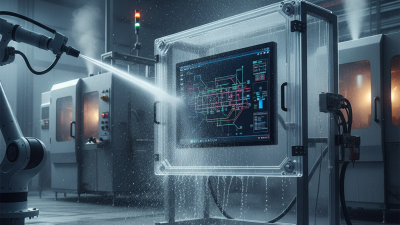
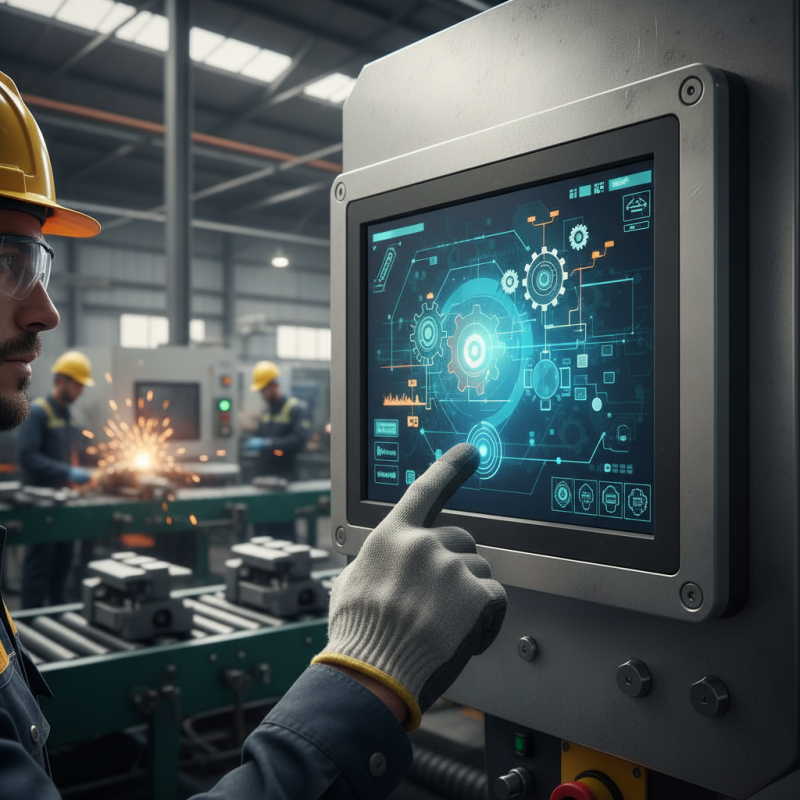
Industrial touchscreen monitors offer several advantages for boosting business efficiency. These devices are designed to withstand harsh environments. They can handle dust, liquid spills, and extreme temperatures. This durability reduces the need for frequent replacements. Consequently, maintenance costs decrease, allowing companies to reallocate resources more effectively.
Touchscreen interfaces streamline operations. Employees can interact with systems quickly and intuitively. This speed enhances productivity on the shop floor. They can access information swiftly, reducing downtime. However, while touchscreens are user-friendly, training may be necessary for some staff. Ensuring everyone is comfortable with the technology is essential for maximizing its benefits.
Moreover, industrial monitors can integrate seamlessly with existing systems. They support various applications, from inventory tracking to machine control. This adaptability makes them suitable for many industries. Yet, businesses must assess their specific needs. Customization options should align with operational goals. A thoughtful implementation strategy can significantly enhance overall efficiency.
Why Choose an Industrial Touchscreen Monitor for Your Business?
| Feature |
Description |
Benefits |
| Durability |
Built to withstand harsh environments and handling. |
Reduces downtime and maintenance costs. |
| Touchscreen Technology |
Responsive touch interface for easy operation. |
Increases productivity and efficiency among employees. |
| Wide Viewing Angles |
Clear display from various angles. |
Enhances collaboration and teamwork. |
| Versatile Connectivity |
Multiple ports for various device connections. |
Simplifies integration with existing systems. |
| Energy Efficient |
Low power consumption design. |
Reduces operational costs and environmental impact. |
Key Features to Look for in Industrial Touchscreen Monitors
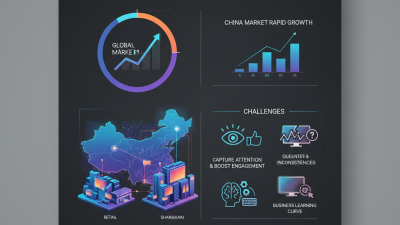
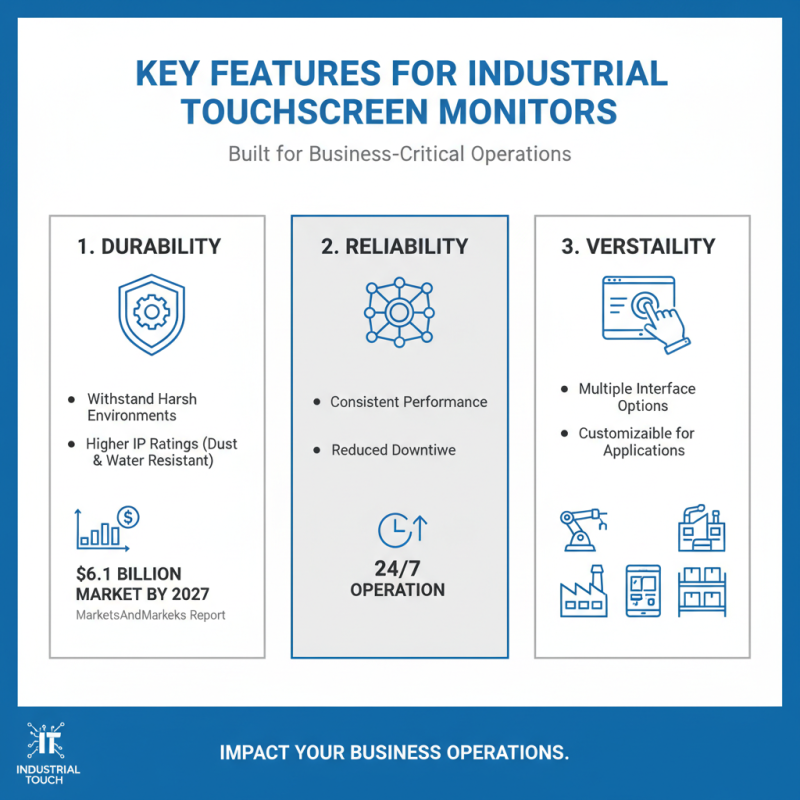
When selecting an industrial touchscreen monitor, consider crucial features that can impact your business operations. One key feature is durability. Industrial monitors are built to withstand harsh environments, with higher IP ratings than consumer models. According to a report by MarketsandMarkets, the industrial touchscreen market is expected to reach $6.1 billion by 2027, showcasing the growing reliance on these robust devices.
Another aspect to examine is the display technology. Look for monitors with high resolution and brightness levels. An optimal display enhances visibility in various lighting conditions. A study from ResearchAndMarkets highlights that clear displays can improve user efficiency and decrease errors during operation. Touchscreen responsiveness is equally vital. Monitors with advanced multi-touch capabilities allow for more efficient interactions.
Tip: Always verify the monitor's compatibility with your existing systems before making a purchase.
Additionally, consider the touchscreen technology used. Capacitive touchscreens offer greater accuracy and multi-touch support, ideal for industrial applications. However, resist the temptation to prioritize features over practicality. Assessing your specific work environment will ensure the right choice is made.
Tip: Look for user reviews or case studies to understand the long-term performance of the monitors you are considering.
Comparing Industrial Touchscreen Monitors to Traditional Displays
When comparing industrial touchscreen monitors to traditional displays, notable differences arise. Industrial monitors are built for durability. They withstand harsh environments, extreme temperatures, and regular vibrations. This robust construction ensures longer lifespans, making them reliable for operations. Businesses focusing on heavy-duty tasks benefit greatly from this reliability.
In contrast, traditional displays often lack such resilience. They can easily be damaged in industrial settings. This fragility can lead to increased downtime and repair costs. While traditional monitors may be suitable for office settings, they fall short in demanding environments. Touch sensitivity also differs; industrial screens offer more precise control and responsiveness. This enhances user experience and efficiency.
A key aspect to consider is maintenance. Industrial touchscreen monitors often have easy-access features for upgrades. This pivotal advantage contrasts sharply with traditional displays, which may require complete replacements. Adopting industrial monitors can streamline operations. However, businesses must weigh the initial investment against long-term savings. High upfront costs might seem daunting, but the potential returns are significant.
Applications of Industrial Touchscreen Monitors in Various Industries
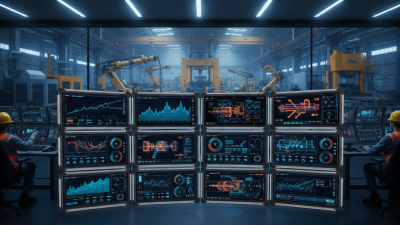
Industrial touchscreen monitors have transformed various sectors by enhancing productivity and user interaction. In manufacturing, for example, these devices facilitate real-time monitoring of production lines. They help workers quickly access vital information. A study by Grand View Research indicated that the global industrial touchscreen market was valued at over $3 billion in 2020 and is projected to grow substantially in the coming years. This growth reflects a rising demand for efficient operational solutions across industries.
In healthcare settings, industrial touchscreen monitors play a crucial role. They streamline patient management systems while improving the accuracy of data entry. According to a report by MarketsandMarkets, the healthcare IT market is expected to reach $390 billion by 2024, driven in part by user-friendly interface solutions. These monitors often endure harsher conditions than consumer devices, requiring more rigor in design and material selection. However, longer deployment cycles can lead to challenges such as obsolescence, indicating the need for regular software updates and hardware assessments.
Retail environments also benefit from industrial touchscreen monitors. They facilitate customer engagement through interactive displays and self-service kiosks. Data from Statista shows that the global self-service kiosk market could reach $30 billion by 2024. Yet, there are challenges in maintaining up-to-date interfaces and ensuring security against potential cyber threats. As businesses adopt these technologies, they must consider not only the immediate benefits but also long-term sustainability and innovation needs.
Factors Influencing the Cost of Industrial Touchscreen Monitors
When considering an industrial touchscreen monitor, several factors significantly influence its cost. One major aspect is the display quality. High-resolution screens with superior color accuracy tend to be more expensive. These monitors often feature advanced technologies, such as IPS panels, which enhance visibility in various lighting conditions. An investment in a higher-quality display can lead to improved user experience and efficiency on the job.
Another critical element is the touchscreen technology used. Capacitive screens, known for their responsiveness and durability, generally cost more than resistive options. Businesses should reflect on their usage needs. For example, if employees wear gloves or work in wet environments, the choice of touchscreen matters. Cost-saving on a less appropriate model could lead to functional issues later and affect productivity significantly.
Durability and environmental resistance also play key roles in pricing. Monitors designed for harsh conditions must meet stringent standards. These include temperature ratings and weatherproofing. While opting for a more rugged model can increase initial expenses, it often proves cost-effective. After all, frequent replacements of less durable units can lead to greater long-term costs. Evaluation of these factors is essential for informed purchasing decisions.
Factors Influencing the Cost of Industrial Touchscreen Monitors