What is a Waterproof Computer Enclosure and Why You Need One?
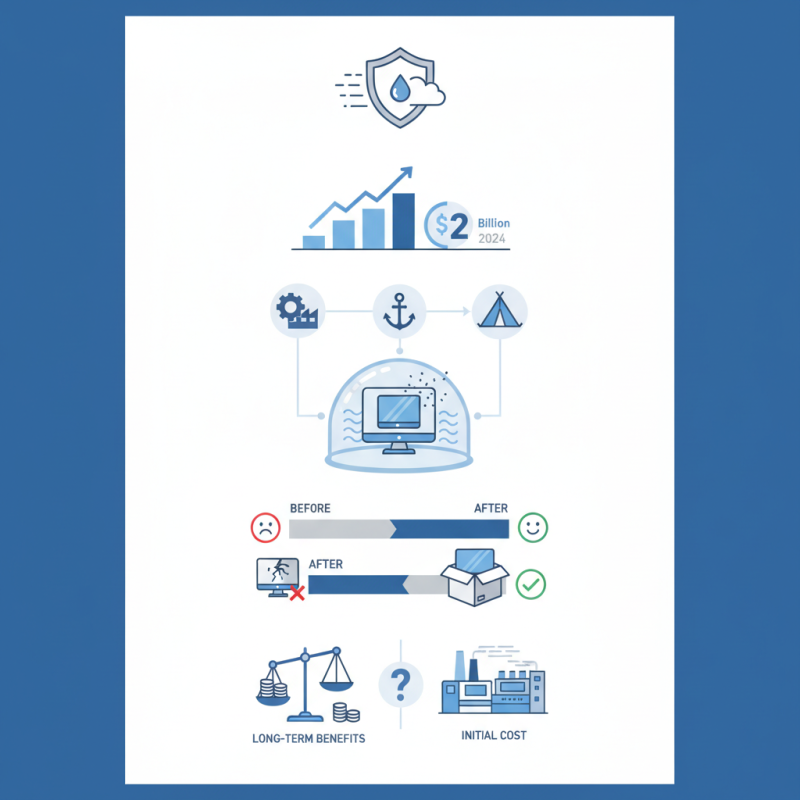
In today's technology-driven world, protecting computers from harsh environments is crucial. A waterproof computer enclosure is an essential solution for industries operating in wet or humid conditions. According to a report by MarketsandMarkets, the global waterproof enclosure market is projected to reach $2 billion by 2024. This growth indicates a rising awareness of the need for reliable equipment protection.
Waterproof computer enclosures are designed to shield electronic devices from water, dust, and other environmental hazards. They play a vital role in sectors like manufacturing, marine applications, and outdoor events. By preventing damage, these enclosures can extend the lifespan of equipment significantly. However, not all enclosures are created equal. It is essential to understand their specifications and ratings to ensure they meet your specific needs.
Investing in a waterproof computer enclosure may seem costly at first, but the long-term benefits outweigh the expenses. Damage from moisture can lead to equipment failure, decreased productivity, and costly repairs. It’s important to reflect on your current setup. Do you have adequate protection? Understanding these factors can guide you toward making informed decisions for your business.
What is a Waterproof Computer Enclosure?
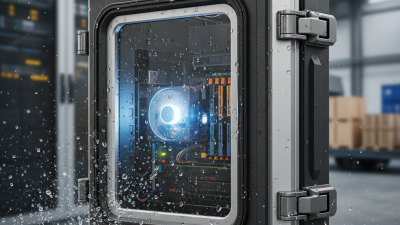
A waterproof computer enclosure is a specialized protective casing designed to shield computers from moisture and environmental factors. These enclosures are essential in industries like maritime, construction, and food processing, where exposure to water is a constant risk. According to a 2021 report by the International Data Corporation, around 17% of equipment failures are attributed to water damage. This statistic emphasizes the critical need for reliable protection.
These enclosures are constructed with advanced materials like polycarbonate and stainless steel, ensuring durability under harsh conditions. They are often rated with IP (Ingress Protection) codes, such as IP65 or IP67, which signify their resistance to dust and water. In many outdoor scenarios, even brief exposure to rain or cleaning activity can harm sensitive electronics. A waterproof enclosure mitigates this risk effectively.
Despite their robust design, users may overlook regular maintenance checks. During these checks, it is crucial to inspect gaskets and seals for any deterioration. Neglecting this can lead to unforeseen failures and costs. Understanding how to properly care for a waterproof enclosure is a key aspect of extending its lifespan and ensuring maximum protection for the equipment inside.
Key Features of Waterproof Computer Enclosures
Waterproof computer enclosures are essential for protecting equipment in challenging environments. These enclosures are designed to withstand moisture, dust, and corrosion. Their durability makes them suitable for various industries, including marine, construction, and outdoor applications.
Key features of waterproof computer enclosures include robust materials. High-grade plastics or metals provide resistance against extreme conditions. Sealed gaskets prevent water ingress. Ventilation ports maintain airflow without compromising waterproofing. Furthermore, they often have mounting options for easy installation.
Tips for choosing the right enclosure: Look for an IP rating. This rating indicates the enclosure's level of water and dust protection. Ensure the size fits your equipment. Compatibility is crucial to avoid issues during installation. Consider thermal management features. Proper cooling can extend the lifespan of your devices.
Though high-quality enclosures offer great protection, they may be costly. Balancing your budget while ensuring safety is tricky. Regular maintenance is also necessary; even the best enclosures can wear over time. Assessing the environment regularly can help catch potential issues early.
What is a Waterproof Computer Enclosure and Why You Need One? - Key Features of Waterproof Computer Enclosures
| Feature |
Description |
Benefits |
| Water Resistance |
Enclosures that can withstand exposure to water. |
Protects electronic equipment from water damage. |
| Dust Proofing |
Sealed design to prevent dust ingress. |
Ensures optimal performance and longevity of devices. |
| Temperature Regulation |
Maintains stable temperature within the enclosure. |
Protects against overheating in extreme conditions. |
| Robust Materials |
Constructed from durable materials like stainless steel or aluminum. |
Enhances durability and impact resistance. |
| Versatile Design |
Can be customized for different applications and sizes. |
Allows for flexible deployments in various environments. |
Benefits of Using Waterproof Computer Enclosures
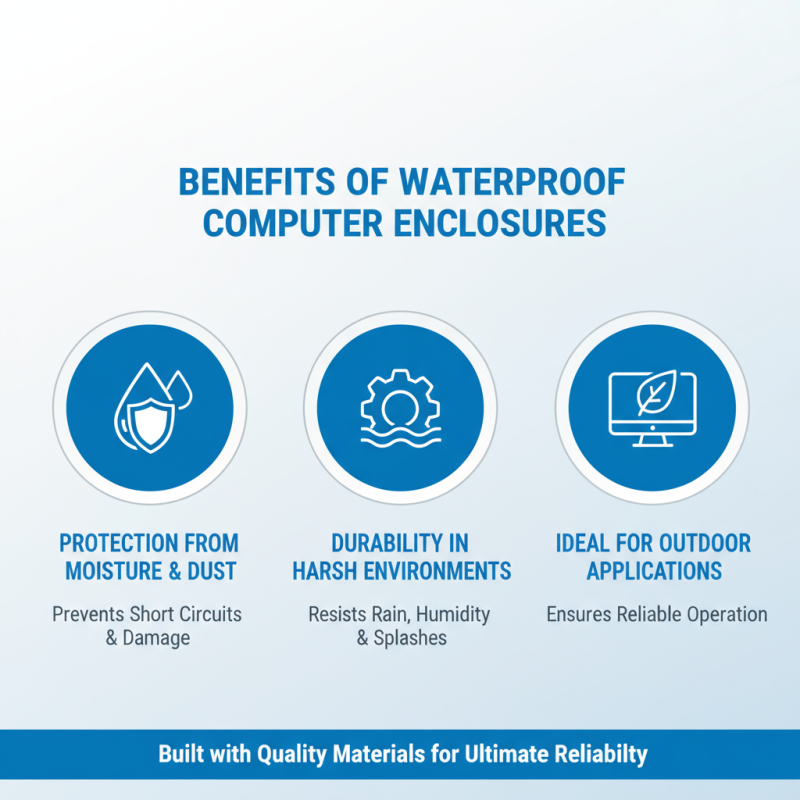
Waterproof computer enclosures are essential for protecting electronics in harsh environments. These enclosures shield devices from moisture and dust, which can cause short circuits and damage. By using quality materials, manufacturers ensure these enclosures can withstand rain, humidity, and even splashes. For outdoor applications, this protection is vital.
The benefits of waterproof enclosures extend beyond just safety. They can enhance the lifespan of sensitive equipment. Think about a construction site or a marine environment. The constant exposure to water and debris can ruin standard devices. Investing in a waterproof enclosure saves money in the long run. It reduces replacement costs and downtime due to equipment failures.
Some may argue that waterproof enclosures are too expensive for casual use. While that’s a valid point, the potential loss of data and equipment should not be overlooked. In the long term, the expense may seem small compared to the investment it protects. Deciding whether to invest requires careful consideration. Will the environment put equipment at risk? If so, a waterproof enclosure becomes a wise choice.
Applications of Waterproof Computer Enclosures
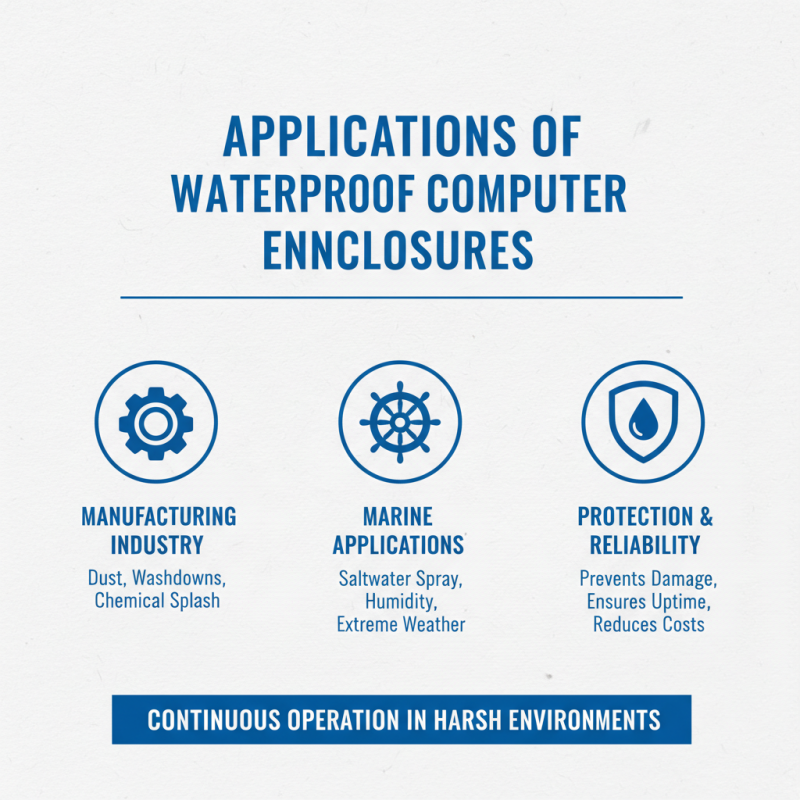
Waterproof computer enclosures serve vital roles in various sectors. Industries such as manufacturing and marine applications often demand durability. These environments expose electronics to water, dust, and extreme conditions. A waterproof enclosure protects equipment from damage. This helps ensure continuous operation and reduces maintenance costs.
In outdoor settings, these enclosures safeguard vital data collection devices. For instance, environmental monitoring stations rely on reliable sensors. If water seeps in, valuable data can be lost. In construction sites, waterproof enclosures secure computers and provide easy access. Workers find them convenient in harsh weather conditions.
The versatility of waterproof enclosures extends to off-road vehicles and agricultural equipment. Farmers use these devices for remote monitoring. However, not all enclosures offer the same level of protection. It’s crucial to assess specific needs. Consider factors like humidity, temperature, and potential exposure to harsh elements. Choosing the right enclosure requires research and careful thought.
Factors to Consider When Choosing a Waterproof Enclosure
When selecting a waterproof computer enclosure, several factors come into play. First, understanding the IP rating is essential. An enclosure with an IP68 rating indicates it can withstand submersion in water beyond 1 meter depth. According to recent industry surveys, organizations that prioritize waterproof enclosures report a 35% increase in equipment longevity. This highlights the importance of choosing enclosures that meet or exceed industry standards.
Material choice significantly impacts durability. Common options include aluminum and polycarbonate. Aluminum offers robustness but can suffer from corrosion in saline environments. Meanwhile, polycarbonate is less heavy and more resistant to impact. Research suggests that enclosures made from high-quality materials can prevent equipment failure by up to 40% in harsh conditions.
Ventilation is another critical consideration. Some waterproof enclosures feature advanced designs that allow airflow while keeping moisture out. Adhering to proper thermal management can prevent overheating. Unattended failures often stem from heat accumulation. Therefore, assessing ventilation features becomes vital when choosing the right enclosure.