What Is a Junction Box Cabinet and How Does It Work?
A Junction Box Cabinet is more than a metal enclosure with wires inside. It is a controlled connection point for distributing power, signals, and field wiring. Inside, terminal blocks, cable glands, grounding bars, fuses, and protective devices work together. The cabinet shields these components from dust, moisture, vibration, accidental contact, and mechanical damage.
As enclosure engineer David C. Smith explains, “A reliable cabinet protects every connection while keeping inspection and maintenance practical.” That principle is easy to overlook. A cabinet may appear simple from outside, yet its internal layout affects safety, heat management, troubleshooting time, and future expansion. Clear labeling matters. So does generous wiring space.
In operation, incoming cables enter through sealed glands. Conductors connect to terminal blocks or distribution components. The cabinet then routes power or signals toward motors, sensors, control panels, or other equipment. Its enclosure rating helps determine where it can be installed. An indoor dry room requires different protection than a washdown area or dusty production floor.
Small details matter.
A poorly supported cable can loosen a terminal over time. Excess heat can shorten component life. Water can enter through one careless gland opening. These risks are preventable, but not always eliminated. Even experienced designers sometimes underestimate maintenance access. This guide explains how a Junction Box Cabinet works, how its components interact, and which design choices deserve closer attention before installation.
What Is a Junction Box Cabinet?
A junction box cabinet is a protective enclosure for joining, routing, and organizing electrical cables. It may contain terminal blocks, connectors, fuses, grounding bars, or control components. The cabinet keeps these parts away from dust, moisture, accidental contact, and mechanical damage. Its metal or non-metallic body also provides a defined space for safer inspection and maintenance.
Inside, incoming cables enter through glands or sealed cable entries. Conductors are then connected to terminals or approved joining devices. Outgoing cables leave through separate entries and continue toward motors, sensors, lighting, or control equipment. A hinged door allows technicians to check connections without opening the entire electrical system. Clear labels matter. They reduce mistakes during testing and repairs.
The cabinet’s protection level depends on its enclosure design, seals, materials, and installation location. Outdoor equipment may need stronger weather resistance than a clean indoor panel. Technicians should verify wire sizes, grounding paths, terminal ratings, and available space before installation. Crowded wiring can trap heat and make troubleshooting difficult. Small details matter.
It is not always a simple box. Some installations require ventilation, drainage, shielding, or lockable access. In practice, labels can fade, and unused cable entries may remain poorly sealed. That is where careful inspection becomes essential. Design drawings, safety procedures, and applicable electrical requirements should guide every connection.
What Are the Main Components of a Junction Box Cabinet?
What Is a Junction Box Cabinet and How Does It Work?
A junction box cabinet protects and organizes electrical connections in one controlled enclosure. Its main components determine safety, serviceability, and long-term reliability.
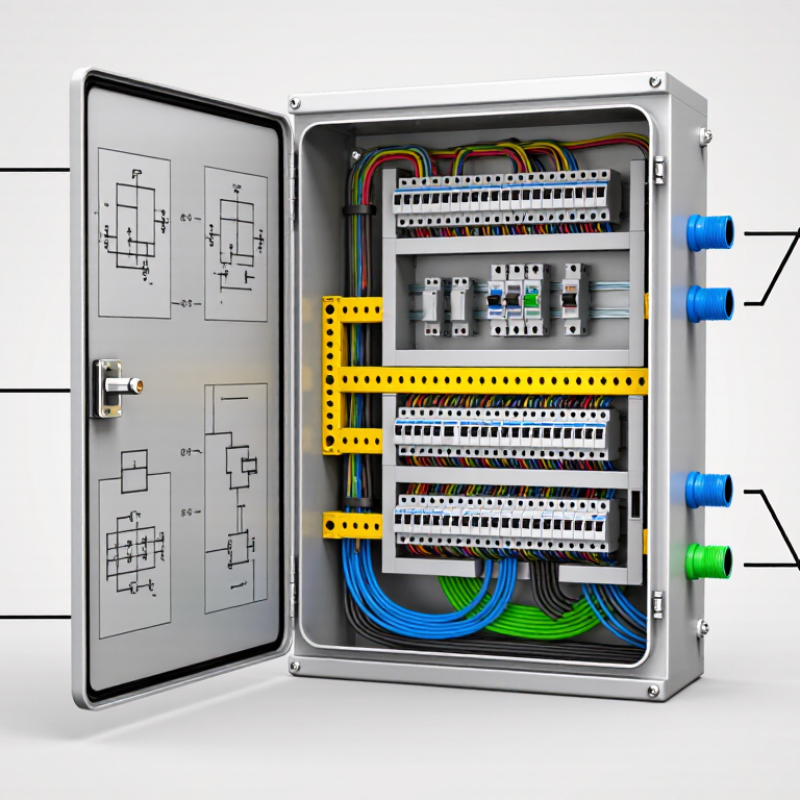
The cabinet body provides mechanical protection from dust, moisture, and accidental contact. Inside, terminal blocks connect incoming and outgoing conductors in an orderly layout. A DIN rail often supports these terminals, fuses, relays, and other modular devices. Cable glands secure cables at entry points and help maintain the enclosure’s protection rating. A grounding bar bonds exposed metal parts to the protective earth system. Clear labels identify each circuit, reducing errors during testing or maintenance. Some cabinets also include ventilation parts, drainage plugs, or surge protection devices. These features depend on the installation environment.
Tips: Leave enough space around terminals for inspection and retightening. Check conductor size, terminal ratings, and tightening torque against approved technical data. Keep power and signal wiring separated where possible. A neat cabinet is easier to trust.
The cabinet works by joining, routing, and sometimes protecting circuits before they continue to field equipment. It does not automatically make an unsafe circuit safe. Incorrect gland selection can allow water inside. Poor labeling can delay fault finding. Field inspections often show that small details matter most. For example, one loose terminal may create heat, discolor insulation, and interrupt equipment operation. Review the layout after wiring. It may look complete, but overlooked clearance or bending space can still cause trouble.
How Does a Junction Box Cabinet Work?
A junction box cabinet protects electrical connections inside a controlled enclosure. It receives cables through sealed glands, then directs them to terminal blocks, fuses, relays, or distribution bars. Each conductor is stripped, labeled, and clamped to a defined connection point. This arrangement reduces loose wiring and makes fault tracing less chaotic. The cabinet may be wall-mounted, floor-standing, stainless steel, or painted metal, depending on the installation environment.
Inside, electrical power or control signals travel between incoming and outgoing cables. Terminal blocks keep circuits separated and provide test points for technicians. A grounding bar connects exposed metal parts to the protective earth system. During operation, the enclosure shields connections from dust, moisture, vibration, and accidental contact. However, protection depends on correct cable glands, door seals, and tightening torque. A strong cabinet can still fail when installation details are ignored.
Technicians usually verify wire labels, terminal tightness, insulation condition, and grounding continuity during commissioning. They may also check heat buildup, because crowded terminals can raise internal temperatures. The cabinet’s ingress rating should match its location, especially outdoors or near washdown areas. Design assumptions can be wrong. A cabinet sized for today’s cables may become cramped after future changes. I have found that clear spacing and spare terminals often matter more than a neat appearance. Moisture marks, unusual heat, or loose labels deserve immediate investigation.
What Is a Junction Box Cabinet and How Does It Work?
A junction box cabinet encloses electrical connections, terminal blocks, and cable entries. It routes power or signals between circuits while protecting the connections from dust, water, accidental contact, and mechanical damage.
Chart explanation: The chart compares example IP codes used to describe enclosure protection under IEC 60529. The first digit indicates solid-particle protection, while the second digit indicates liquid protection. A rating of 6 for solids means dust-tight protection; higher liquid digits indicate protection against more demanding water exposure conditions. The appropriate rating depends on the installation environment.
Where Are Junction Box Cabinets Used?
What Is a Junction Box Cabinet and How Does It Work?
Where Are Junction Box Cabinets Used?
Junction box cabinets protect and organize electrical connections, terminals, and control wiring. They usually contain cables entering through glands, then connect through terminal blocks or busbars. The enclosure limits dust, moisture, impact, and accidental contact. In practice, technicians also use it as a clear inspection point. That matters.
These cabinets appear in factories, solar farms, commercial buildings, water-treatment plants, and transport infrastructure. In manufacturing, they connect sensors, motors, and programmable control systems near production lines. In solar installations, they gather multiple cable strings before power reaches an inverter. The International Energy Agency’s Renewables 2024 report expects almost 5,500 GW of renewable capacity additions from 2024 to 2030. Solar projects will drive much of this demand, increasing the need for reliable field connection cabinets.
Outdoor cabinets need more than a strong metal door. Designers check ingress protection, corrosion resistance, temperature rise, cable bending space, and service access. The International Electrotechnical Commission’s IEC 61439 framework also emphasizes verified low-voltage assembly performance. Electrical enclosure market analyses published by MarketsandMarkets identify industrial automation, energy, and infrastructure as major application areas. Yet field conditions can defeat a good design. A cabinet may be technically compliant but difficult to open beside a hot pipe or crowded cable tray. That practical weakness deserves review before installation.
How Can Junction Box Cabinets Be Selected and Maintained?
A junction box cabinet protects and organizes electrical connections inside a sealed enclosure. It may contain terminal blocks, cable glands, fuses, or monitoring components. Selecting the right cabinet starts with its environment. Check moisture, dust, temperature, chemical exposure, and possible mechanical impact. The enclosure’s ingress protection rating should match these conditions. Material also matters. Stainless steel suits corrosive areas, while coated metal or engineered polymer may fit cleaner, lighter installations.
Allow enough internal space for safe bending, terminal access, and future circuits. Crowded wiring creates heat and makes fault finding slower. Confirm the cable entry size, grounding method, short-circuit rating, and installation requirements before ordering. Local electrical rules and the equipment manufacturer’s instructions remain essential. A perfect selection is rare. Conditions often change after installation, so spare capacity deserves more attention than many designers give it.
Tips: Inspect seals, hinges, labels, and cable glands during scheduled maintenance. Look for loose terminals, discoloration, moisture, corrosion, or damaged insulation. Qualified personnel should isolate power before opening the cabinet. Tighten connections to the specified torque, not by guesswork. Remove dust with suitable methods, and never block ventilation paths. Record inspection dates and findings. Thermal scanning can reveal unusual heating, but it should support, not replace, physical inspection. Condensation is easy to overlook. A small heater, drain, or improved sealing arrangement may prevent repeated failures.
