What is Digital Signage Screens and How Do They Work?
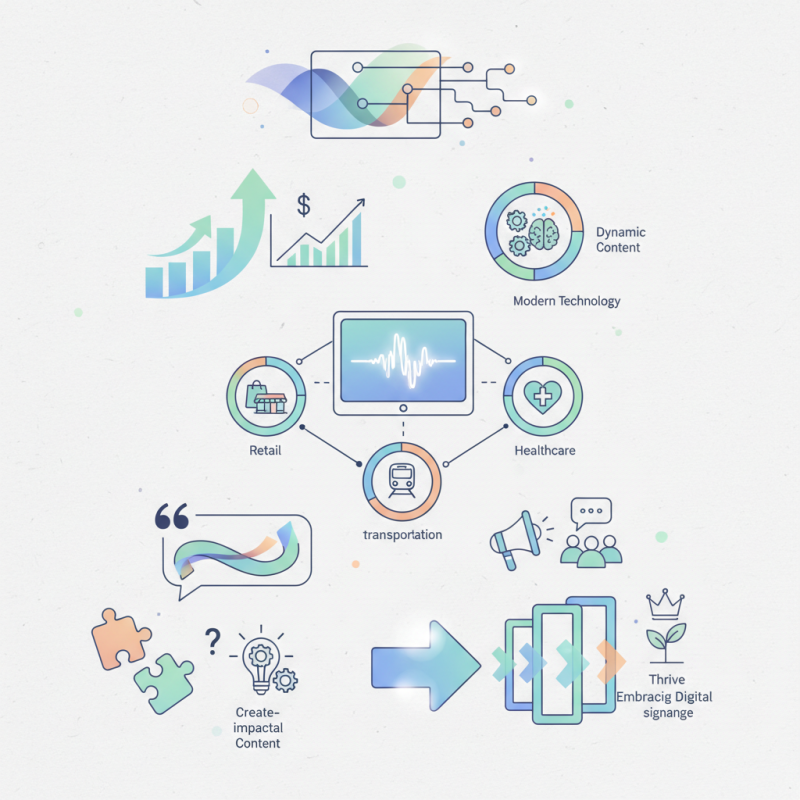
Digital signage screens are revolutionizing the way information is presented. They combine modern technology with dynamic content, engaging audiences like never before. In recent years, the global digital signage market has experienced significant growth. A report by MarketsandMarkets projects it will reach $23.6 billion by 2026.
Experts like Chris Wiser, CEO of Digital Signage Solutions, emphasize their importance: “Digital signage screens allow brands to tell their stories in vibrant, engaging ways.” This format enhances communication in places like retail, transportation, and healthcare. However, many businesses still struggle to adopt these technologies effectively.
While the potential is clear, challenges exist. Not every organization understands how to create impactful content. Companies must invest time and resources into crafting appropriate messages for their audiences. In a rapidly changing digital landscape, staying stagnant is not an option. Embracing digital signage screens is essential for those looking to thrive.
Understanding Digital Signage Screens: An Overview
Digital signage screens are versatile tools for communication and advertising. They use LCD, LED, or projection technology to display dynamic content. These screens can interact with viewers, creating engaging experiences. Businesses utilize them in various settings, such as restaurants and retail shops. The content can be updated remotely, allowing for real-time communication.
When designing your digital signage, consider your audience. What catches their attention? Bright colors and motion can attract interest. But don't overcrowd your screen. Simplicity is key. Use clear, bold text and concise messages. Viewers may glance quickly. Make sure they understand your message in that instant.
Tips for effective digital signage include regular updates. Outdated content can turn viewers away. Keep your information fresh and relevant. Monitor your screens regularly for technical issues. A malfunctioning screen sends the wrong message. Lastly, think about the placement. Positioning is crucial for visibility. Ensure your screens face high-traffic areas for maximum impact.
Digital Signage Screen Usage Statistics
Components of Digital Signage Systems and Their Functions
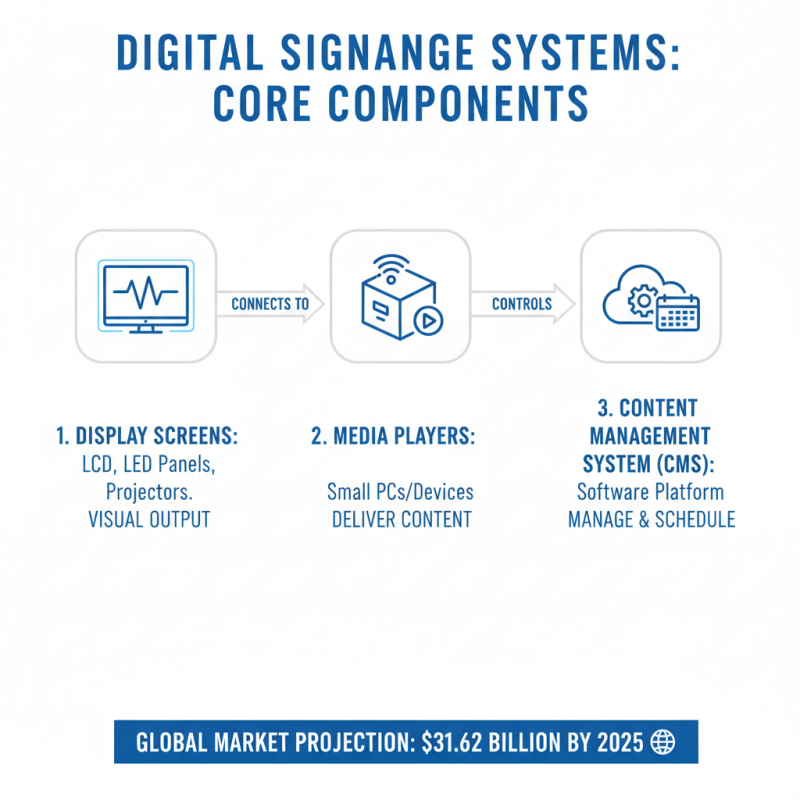
Digital signage systems consist of several core components that work together to display dynamic content. The main parts are display screens, media players, and content management systems (CMS). Display screens can vary from LCDs to LED panels. In fact, the global market for digital signage is projected to reach $31.62 billion by 2025, according to industry reports.
Media players are essential for processing the content before it's shown. They act as a bridge between the CMS and the display hardware. This can be a simple device or an intricate setup, depending on the needs of the business. Notably, the integration of IoT devices can enhance functionality. It’s important to remember that not all combinations of hardware and software work seamlessly, leading to potential issues in content delivery.
A well-functioning CMS is critical. It allows users to control what content appears on screens and when. Great flexibility in scheduling and customization is often beneficial. However, not all systems offer intuitive interfaces. This complexity can hinder effective use, resulting in ineffective messaging. Additionally, businesses should ensure they have adequate bandwidth to support high-quality content streaming. The challenge lies in keeping the technology updated while managing costs. The investment must be justified by the return on engagement.
How Digital Signage Screens Deliver Content
Digital signage screens are versatile tools. They display dynamic content that captures attention in various settings. A retail store might use them to showcase promotions. Airports often display flight information. These screens change quickly, offering real-time updates that static signage cannot match.
Digital signage relies on software to deliver content. Users can create and schedule messages easily. Content includes images, videos, and text. This flexibility allows businesses to adapt their messaging on the fly. However, it can be overwhelming. Too much information can confuse viewers. Maintaining a balance is crucial.
Connectivity is vital. These screens are often linked to the internet. This connection allows for remote management. However, it can lead to risks. Security concerns may jeopardize sensitive information. Organizations must address these issues actively. Careful monitoring and updates are necessary.
What is Digital Signage Screens and How Do They Work? - How Digital Signage Screens Deliver Content
| Feature |
Description |
Benefits |
| Display Type |
LCD, LED, OLED |
High brightness and clarity |
| Content Management |
Remote or local management systems |
Ease of updates and scheduling |
| Interactivity |
Touch screens and motion sensors |
Enhanced user engagement |
| Connectivity |
Wi-Fi, Ethernet, Mobile data |
Real-time updates and content delivery |
| Analytics |
Data on viewer interaction |
Improved marketing strategies |
| Cost |
Initial investment vs. long-term savings |
Reduced print costs and maintenance |
Technologies Behind Digital Signage: Displays and Software
Digital signage screens are becoming common in various sectors. These screens display information and promotions dynamically. The technology behind digital signage includes display hardware and supporting software. Typically, LED, LCD, and even projection displays are used. In 2023, the global digital signage market is projected to reach $31.62 billion, reflecting its growing importance in advertising and information dissemination.
The software is crucial for managing content. This software allows users to create, schedule, and update content remotely. Integration with social media or real-time data feeds enhances relevance. Reports show that 70% of consumers recall seeing digital signage. It's a powerful tool for brand engagement.
Tips: Use high-resolution displays to capture attention. Optimize content for quick viewing. Less is often more; avoid cluttering the screen. Also, regular updates are essential. Outdated information can lead to disengagement. Analyze viewer statistics to refine strategies. Knowing your audience plays a key role in success.
Applications and Benefits of Digital Signage in Various Industries
Digital signage has transformed how businesses communicate. These screens display various content, from advertisements to menus. In retail, digital signage attracts customers with dynamic promotions. Eye-catching visuals can enhance the shopping experience. However, not all displays engage effectively; placement matters. A poorly positioned screen may go unnoticed.
In corporate settings, digital signage improves communication among employees. It can share company updates, schedules, or emergency alerts. Yet, clarity is vital. Overcrowded information on screens can confuse viewers. Important messages must stand out.
Healthcare facilities also benefit from digital signage. They provide waiting patients with information or entertainment. However, sensitive content could lead to privacy concerns. Balancing informative content with discretion is essential. This highlights the need for careful content curation in various applications.